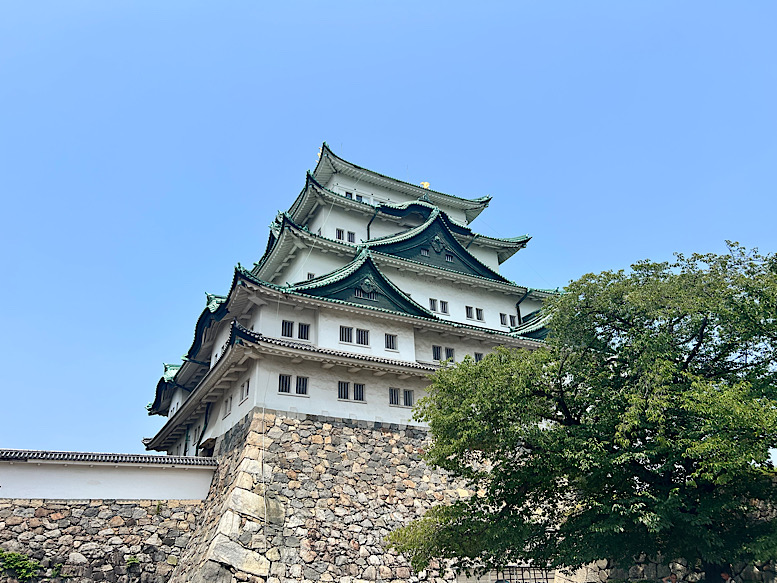
If you’re visiting Nagoya for the first time, Nagoya Castle should be at the top of your list. With its iconic golden shachihoko (mythical dolphin-fish) ornaments gleaming atop the main keep, this castle is one of Japan’s most recognizable landmarks and a perfect introduction to the city’s samurai history.
This guide covers everything a first-time visitor needs: history, what to see, ticket prices, opening hours, and how to get there.
A Brief History
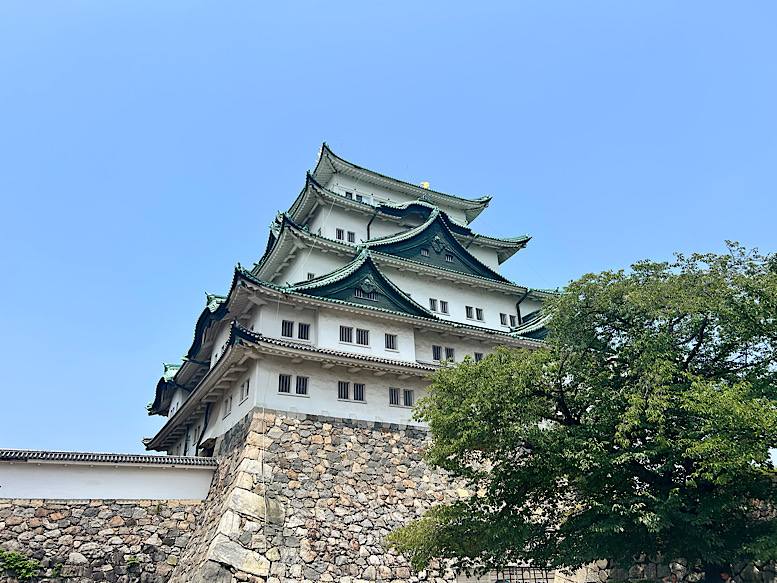
Nagoya Castle was built in 1610 by order of Tokugawa Ieyasu, the founder of the Tokugawa shogunate that ruled Japan for over 250 years. It was constructed as a strategic stronghold to protect the road between Kyoto and Edo (modern-day Tokyo), and it became the seat of the powerful Owari branch of the Tokugawa family.
The original main keep was tragically destroyed in an air raid in 1945, during the final months of World War II. What visitors see today is a concrete reconstruction completed in 1959, faithfully rebuilt to resemble the original structure. The main keep has been closed to the public since May 2018 due to earthquake safety concerns, and there’s currently no set date for it to reopen, so don’t plan your visit around climbing to the top. The good news is that the Honmaru Palace more than makes up for it (see below).
What to See
Honmaru Palace
This is, without question, the highlight of a visit to Nagoya Castle today, especially with the main keep currently closed to climbing (see below). The Honmaru Palace was the residence and office of the castle lord, and it has been meticulously reconstructed using traditional techniques and materials. Inside, you’ll find stunning gold-leaf sliding doors (fusuma) painted with tigers, leopards, and pine trees, along with beautifully restored tatami rooms. Unlike many reconstructed castle buildings in Japan, this palace was rebuilt with extraordinary historical accuracy, and it genuinely feels like stepping back into the Edo period.
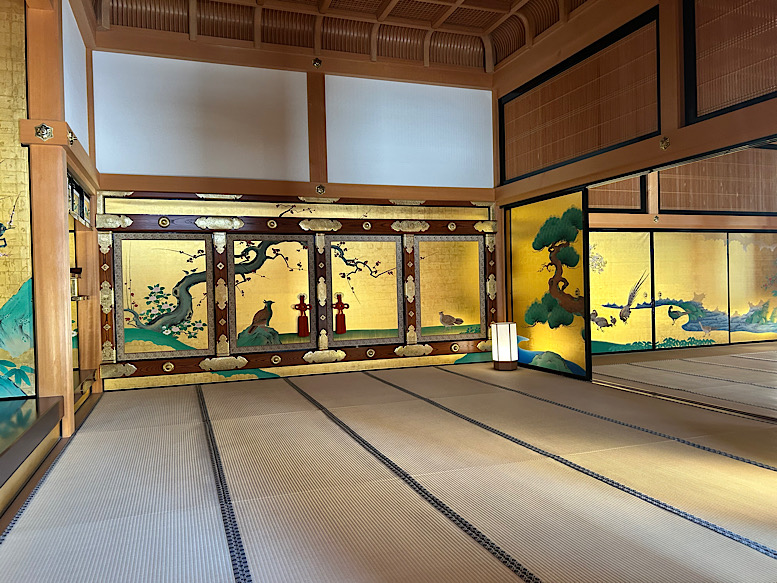
Local Tip: Don’t rush this. If you actually take the time to read the information panels and look closely at the fusuma artwork room by room, the palace takes a genuine 20-30 minutes to see properly, longer than most visitors budget for it. It’s easily the most impressive part of the entire visit, and worth every minute.
The Golden Shachihoko
The two golden shachihoko ornaments on the roof of the main keep are Nagoya’s most famous symbol. These mythical creatures, part fish and part tiger, were believed to protect the castle from fire. A replica is often on display at ground level, giving visitors a rare chance to see the details up close.
Ninomaru Garden
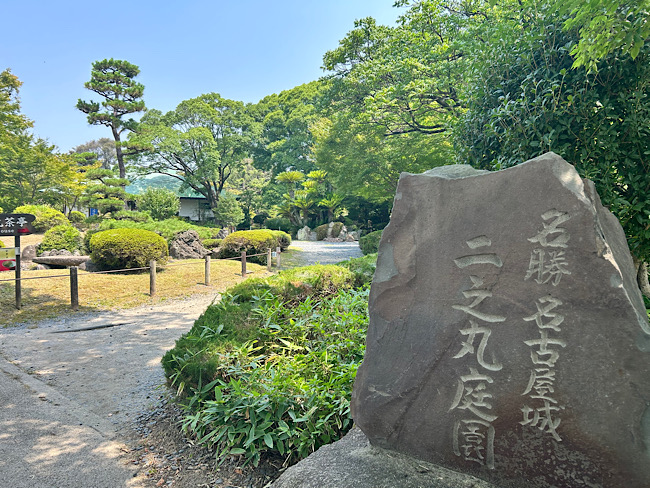
This traditional Japanese garden surrounding the castle grounds is a peaceful spot to relax after exploring the main structures. It’s especially beautiful in spring during cherry blossom season and in autumn when the leaves change color.
The Stone Walls and Moat
Even without entering the main keep, the castle’s massive stone walls (ishigaki) are impressive on their own. Some of the stones bear carved marks left by the feudal lords who contributed labor to the construction, a fascinating detail for history enthusiasts.
Practical Information
Hours: The castle grounds are typically open from 9:00 AM to 4:30 PM (last entry), though hours can shift seasonally. Always confirm current hours before you go, as they are subject to change.
Admission: There is an entrance fee for the castle grounds, with the Honmaru Palace included in the same ticket. Discounts are often available for groups, students, and Nagoya residents.
Best time to visit: Weekday mornings tend to be less crowded than weekends and holidays. If you’re visiting during peak seasons (cherry blossom season in late March to early April, or autumn foliage in November), arriving right at opening time will help you avoid the largest crowds.
Local Tip: Many Nagoya residents visit the castle grounds early in the morning, before work, just to walk through Ninomaru Garden when the cherry blossoms are at their peak. If you can manage an early start, you’ll likely have the garden nearly to yourself for photos, something most tourists miss because they arrive mid-morning with the tour groups.
How much time to allow: Plan for at least 90 minutes to 2 hours to properly explore the Honmaru Palace and grounds. History enthusiasts may want to allow 3 hours or more.
How to Get There
Nagoya Castle is easily accessible by subway, making it simple for visitors without a car.
- By subway: Take the Meijo Line to Shiyakusho Station (City Hall Station), Exit 7. From there, it’s about a 5-minute walk to the castle’s main gate.
- From Nagoya Station: The trip takes approximately 15-20 minutes by subway, including one transfer depending on your route.
- By bus: The Me-guru sightseeing loop bus, popular with tourists, also stops near the castle and conveniently connects to other major attractions in the city.
Nearby Attractions and Food
After exploring the castle, consider extending your day with a visit to nearby Tokugawa Garden or the Tokugawa Art Museum, both of which offer deeper insight into the Tokugawa family’s legacy.
For food, the streets around the castle and City Hall area have a good selection of casual restaurants. Right at the castle’s entrances, Kinshachi Yokocho (split into the traditional Yoshinao Zone near the main gate and the more modern Munaharu Zone near the east gate) makes this especially easy: it’s a small dedicated food street built specifically for castle visitors, with well-regarded spots for miso katsu and miso nikomi udon in the Yoshinao Zone. If you’re looking for a proper taste of Nagoya cuisine without wandering far from the castle, this is the simplest option, though several other long-standing restaurants elsewhere in the city serve equally good (and sometimes better) versions of Nagoya’s specialties.
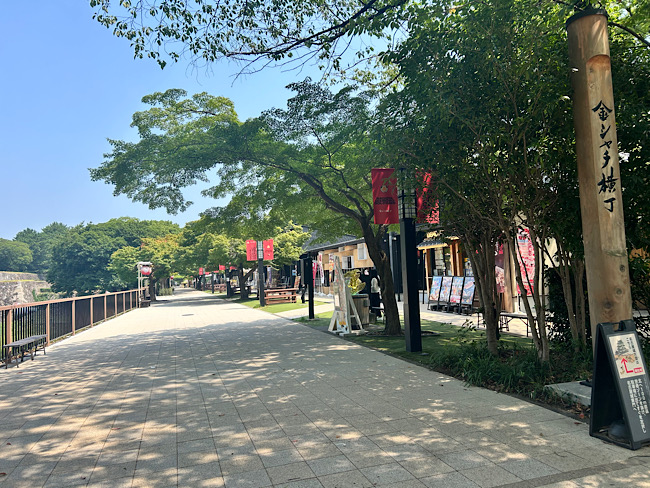
Local Tip: Most tourists head straight to the well-known hitsumabushi restaurants near the castle’s main entrance, which means long waits during lunch hours. Locals often walk an extra 10-15 minutes toward the quieter streets near Shiyakusho Station, where smaller, family-run restaurants serve equally good (and sometimes better) versions of Nagoya’s specialties without the tourist crowds or the wait.
Tips for First-Time Visitors
- Wear comfortable shoes. The castle grounds are large, and you’ll be doing a fair amount of walking on both paved paths and traditional wooden floors (some areas require you to remove your shoes).
- English signage is available throughout the Honmaru Palace, and information panels provide helpful historical context.
- Photography is generally permitted in most areas, but flash photography is restricted inside the Honmaru Palace to protect the delicate artwork.
- If you plan to visit multiple attractions in Nagoya, look into combination tickets or city sightseeing passes, which can offer good value.
Final Thoughts
Nagoya Castle offers a rare combination: an iconic, photogenic landmark paired with one of the most historically accurate palace reconstructions in Japan. Whether you have a few hours or a full day, it’s an essential stop for understanding Nagoya’s role in Japan’s feudal history.

Comments