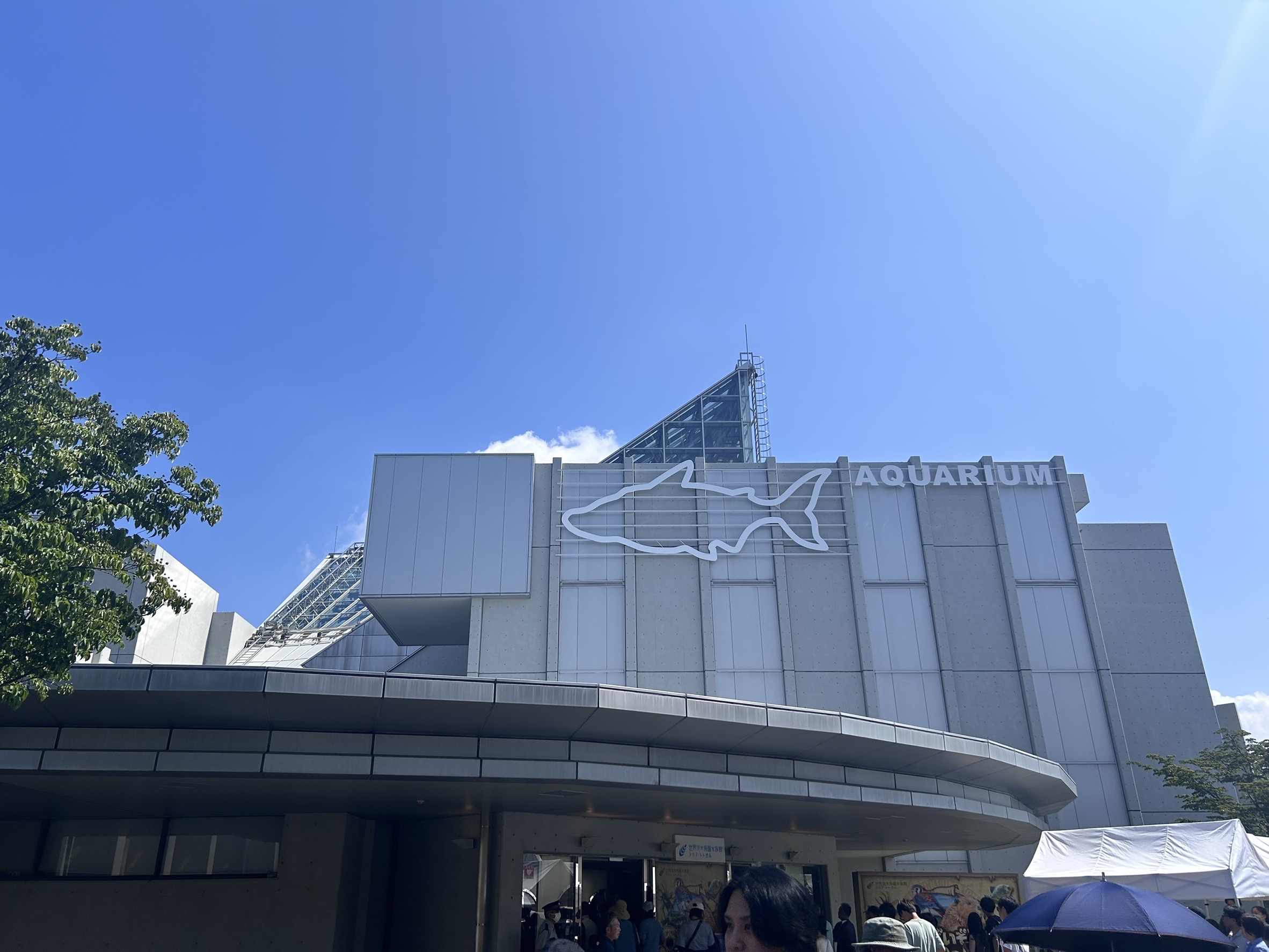
Most aquariums focus on ocean life, but Aqua Totto Gifu takes the opposite approach: it’s dedicated entirely to freshwater ecosystems, and it’s genuinely one of the largest facilities of its kind in the world. Located in Kakamigahara, Gifu Prefecture, about 50 minutes from central Nagoya, it traces a journey from the local Nagara River all the way to the Mekong and the Amazon, making it one of the more surprising day trips in the region for anyone who assumes “freshwater fish” means a modest, low-key museum.
This guide covers the exhibits, practical details, and how to get there from Nagoya.
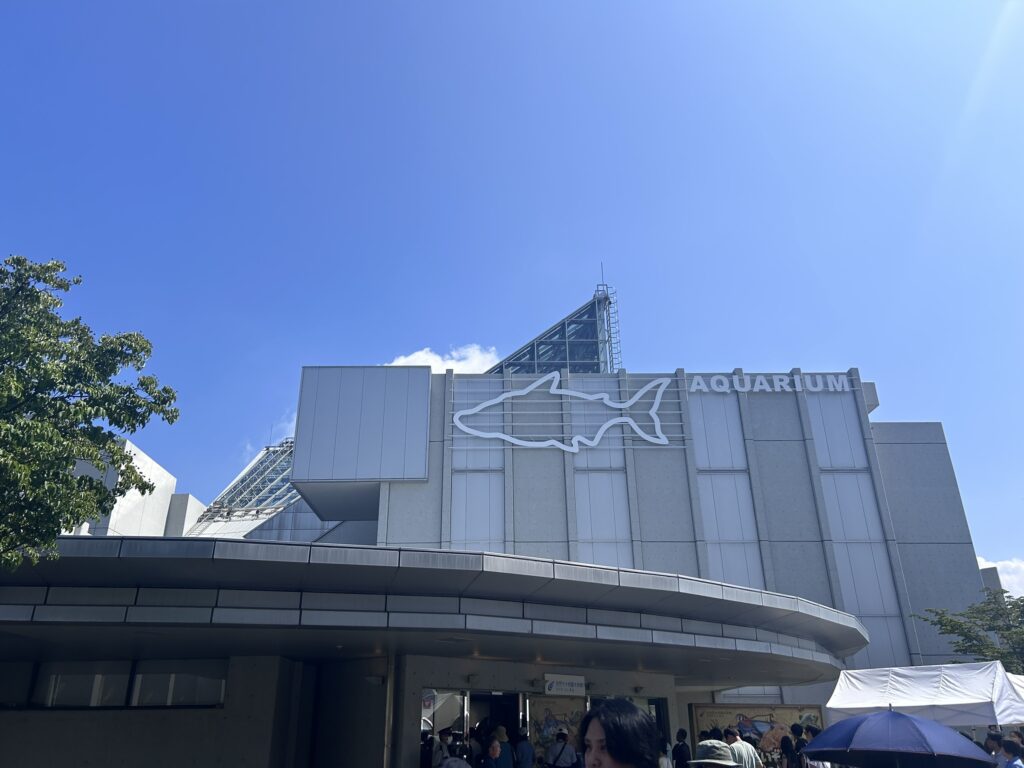
One of the World’s Largest Freshwater Aquariums
Across four floors, Aqua Totto Gifu houses roughly 260 species and over 28,000 individual animals and plants, an unusually large and ambitious scope for a freshwater-only aquarium. The exhibits trace a journey that starts close to home and ends on the other side of the world: beginning at the headwaters of the Nagara River (one of the three major rivers of the Kiso Sansen, alongside the Kisogawa and Ibigawa), following it downstream toward the sea, before expanding into river systems from across the globe.
Not Just the Nagara River: Mekong and Amazon Too
The two standout sections, and genuinely worth prioritizing if you’re short on time, are the Mekong River and Amazon River exhibits.
The Mekong River exhibit is home to the Mekong giant catfish, one of the largest freshwater fish species on Earth, some individuals have historically been recorded at over 3 meters long and 300kg. Seeing one glide through a tank sized to match is one of the aquarium’s genuine “wow” moments.
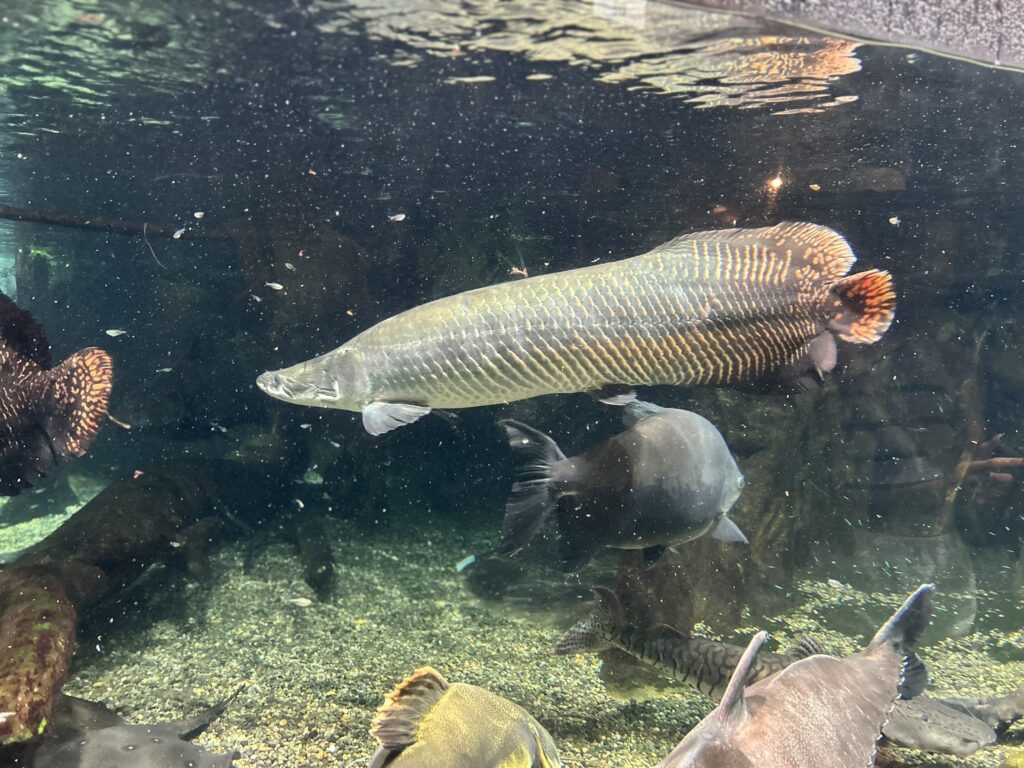
The Amazon River exhibit features the pirarucu, a massive fish that can grow up to 4 meters long and is sometimes called a “living fossil” for having remained largely unchanged for roughly 100 million years. The flooded-forest style tank recreating the Amazon’s wet season, complete with submerged trees, is one of the more visually striking exhibits in the building.
Local Tip: A lot of visitors expect a modest, purely local fish museum given the “freshwater” framing, and are caught off guard by just how large in scale the Mekong and Amazon sections are. If you’re short on time, prioritize these two over some of the smaller regional displays.
Other Highlights
Capybara Terrace: A popular outdoor area where capybaras, technically the world’s largest rodents, laze around a water-adjacent enclosure. Feeding sessions are held on a reserved, paid basis at set times, worth checking the schedule at the entrance if you’re interested.
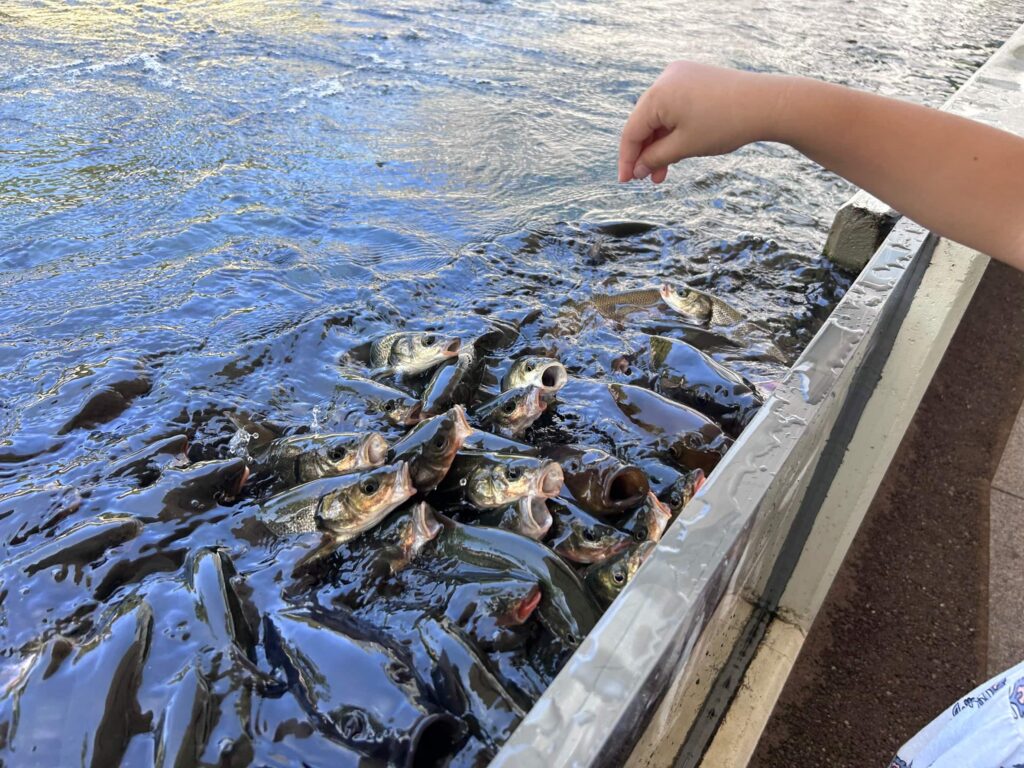
Kiyoryu Fureai Pool: A hands-on touch pool where visitors can feed sturgeon directly, a hit with kids in particular.
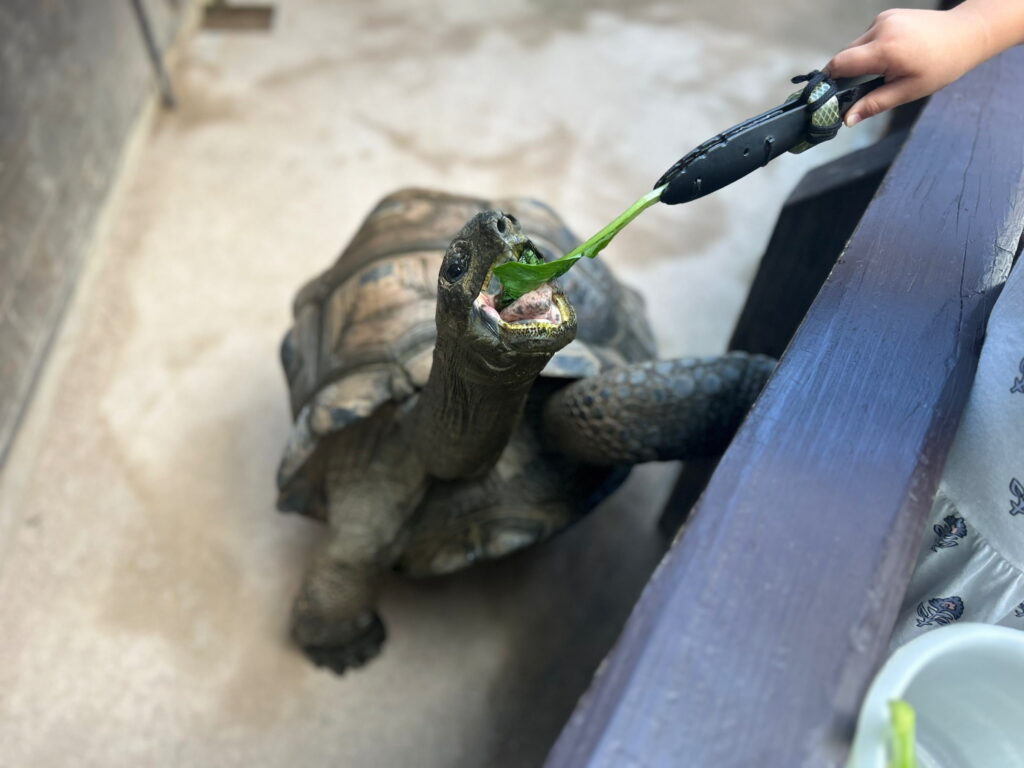
Elephant Turtle Plaza and river otters: Smaller but well-loved sections featuring giant tortoises and playful otters, easy to spend extra time at if traveling with children.
Sea lion show: A regularly scheduled performance, check the day’s timetable at the entrance since showtimes vary.
Practical Information
Hours: Weekdays 9:30 AM – 5:00 PM (last entry 4:00 PM), weekends and holidays 9:30 AM – 6:00 PM (last entry 5:00 PM). Hours may extend seasonally.
Admission: Adults 1,780 yen, junior/senior high school students 1,400 yen, elementary school students 900 yen, young children (3+) 500 yen, seniors (65+) 1,600 yen.
Closed days: Open year-round, with a small number of exceptions when the wider River World Kawashima Park complex closes entirely; check the calendar before visiting if traveling on an obscure weekday.
Time needed: Plan for at least 2-3 hours to see the exhibits properly, more if visiting with kids who want to linger at the capybara terrace or touch pool.
Getting There from Nagoya Station
Honestly, this is easiest to reach by car. Public transport works, but it takes some patience.
By car (recommended): Approximately 50 minutes from central Nagoya via Route 22. If driving via the Tokai-Hokuriku Expressway, you can park at the Kawashima Parking Area / Kawashima Highway Oasis and walk directly to the aquarium; those arriving via regular roads can use the general parking lots.
By train and bus: From Meitetsu Nagoya Station, take a Meitetsu line train toward Gifu and get off at Shin-Naka Station. From there, transfer to the Kakamigahara Fureai Bus (a local community bus) bound for the Kawashima line, which will take you to the aquarium. This route involves a transfer and the community bus doesn’t run especially frequently, so check the timetable in advance rather than assuming a quick connection.
Local Tip: Locals visiting with family almost always drive, it’s genuinely more convenient by car for this particular destination, unlike most of the attractions covered elsewhere on this site. If you don’t have access to a car, budget extra time and double-check the community bus schedule before setting out.
Nearby: Kawashima Highway Oasis
The aquarium sits within the River World Kawashima Park complex, which also includes the Kawashima Highway Oasis, a rest stop with local food stalls, a Ferris wheel, and a marketplace selling Gifu produce. It’s a convenient spot for lunch before or after your visit, especially if you’re driving and already parked there.
Tips for First-Time Visitors
- Flash photography is prohibited near the tanks, both to protect the animals and to avoid reflections ruining your photos. Shooting at a slight angle to the glass helps reduce glare from the exhibit lighting.
- The building spans four floors with a fair amount of walking; comfortable shoes are worth it, especially if combining the visit with a walk around the Highway Oasis.
- If visiting with young kids, the capybara terrace and touch pool tend to be the most memorable parts of the trip, worth building in extra time rather than rushing through on a tight schedule.
- Since public transport access is limited, this destination works best as part of a day with a car, whether self-driven or via taxi from a nearby station.
Final Thoughts
Aqua Totto Gifu is easy to underestimate by name alone, “freshwater fish museum” doesn’t sound like it should compete with the region’s bigger attractions. In practice, the scale of the Mekong and Amazon exhibits, paired with the more local Nagara River story at the start of the journey, makes it one of the more genuinely surprising day trips in the Chubu region, especially for families with a car and a few hours to spare.

Comments